Connected TV vs. Traditional TV Advertising: Which Is Right for Your Brand?
Traditional TV and Connected TV each have distinct advantages. Learn the key differences between linear TV and streaming advertising, and discover which approach—or combination—makes sense for your marketing goals and budget.
Connected TV vs. Traditional TV Advertising: Which Is Right for Your Brand?
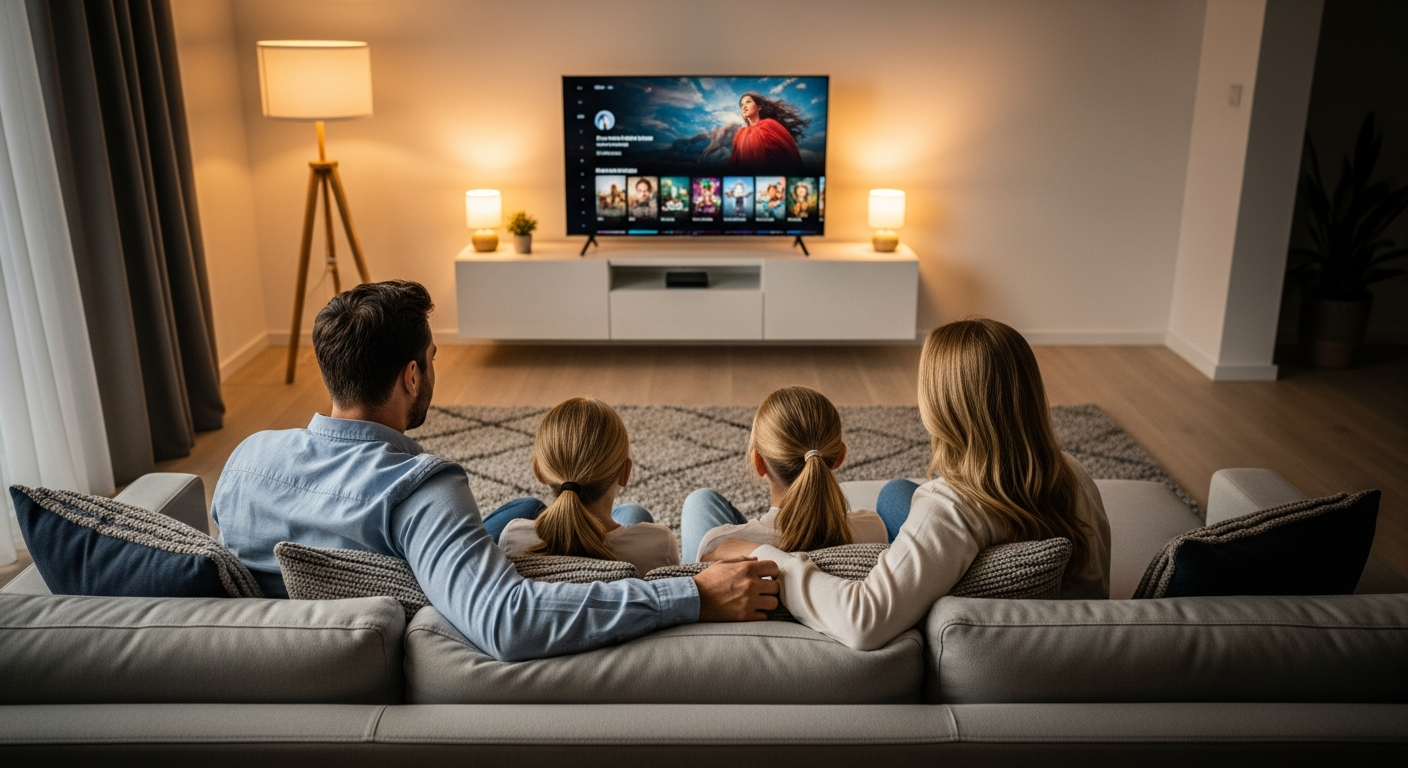
Television advertising is experiencing its biggest transformation in decades. With streaming now capturing 42-45% of all U.S. TV viewership, brands face a critical decision: continue investing in traditional linear TV, shift budget to Connected TV (CTV), or develop a hybrid approach.
Understanding the differences between these two channels is essential for making smart media buying decisions in 2025 and beyond.
Traditional TV Advertising: The Basics
Traditional (linear) TV advertising refers to commercials aired on broadcast and cable networks during scheduled programming. For decades, this was the only way to reach television audiences.
Traditional TV Advantages
- Massive simultaneous reach: Live events like the Super Bowl or breaking news still draw enormous audiences at the same moment
- Brand prestige: Network TV advertising carries perceived credibility
- Simple buying process: Established relationships with networks and upfront buying cycles
- Broad awareness building: Effective for mass-market brands reaching general audiences
Traditional TV Limitations
- Limited targeting: Demographics are broad (adults 18-49, households 50K+ income)
- Wasted impressions: Pay for viewers outside your target audience
- Difficult attribution: Connecting TV exposure to conversions is challenging
- High minimum budgets: Network deals often require significant commitments
- Declining viewership: Cord-cutting continues to erode traditional TV audiences
Connected TV Advertising: The New Frontier
Connected TV advertising serves video ads through internet-connected devices—smart TVs, Roku, Amazon Fire TV, Apple TV, gaming consoles, and streaming apps.
CTV Advantages
- Precision targeting: Use first-party data, behavioral signals, and demographic filters
- Measurable performance: Track conversions, site visits, and revenue lift
- 90%+ completion rates: Non-skippable ads in engaged viewing environments
- Flexible budgets: Start small, scale based on performance
- Programmatic efficiency: Over 90% of CTV is bought programmatically
- Growing audience: Streaming viewership continues to expand
CTV Considerations
- Fragmented inventory: Many platforms and apps to navigate
- Creative requirements: Need streaming-optimized video assets
- Learning curve: Different buying process than traditional TV
- Frequency management: Risk of over-exposure in connected households
Key Differences at a Glance
| Factor | Traditional TV | Connected TV |
|---|---|---|
| Targeting | Broad demographics | Precise, data-driven |
| Attribution | Limited/estimated | Full digital tracking |
| Minimum Budget | Often $100K+ | Can start at $5K-10K |
| Completion Rates | Variable (DVR skipping) | 90%+ (non-skippable) |
| Buying Process | Upfront deals, negotiations | Programmatic, flexible |
| Audience Trend | Declining | Growing |
Which Approach Is Right for You?
Choose Traditional TV If:
- You're a mass-market brand needing simultaneous reach
- Live events are core to your marketing strategy
- You have substantial budgets ($100K+ per campaign)
- Brand awareness is your primary goal (not direct response)
- Your target audience skews older and watches live TV
Choose Connected TV If:
- You need precise audience targeting
- Performance metrics and attribution matter
- You want to start with smaller budgets and scale
- Your audience streams more than they watch live TV
- You're focused on measurable business outcomes
Consider a Hybrid Approach If:
- You're transitioning from traditional to streaming
- Your audience spans multiple age groups
- You want broad awareness plus performance tracking
- Budget allows diversification across channels
Making the Transition to CTV
Many brands are reallocating portions of their traditional TV budget to streaming. The key is starting with clear objectives, proper measurement infrastructure, and a partner who understands both worlds.
At Experience Advertising, we help brands navigate the streaming landscape with:
- Strategic planning that considers your full media mix
- Programmatic buying across premium streaming inventory
- Performance tracking and attribution
- Creative optimization for streaming environments
- Integration with your digital marketing ecosystem
The future of TV advertising is increasingly streaming. Whether you're ready to dive in fully or want to test the waters, the time to start is now.
Explore our Connected TV advertising services or schedule a consultation to discuss your television advertising strategy.
About the Author
Evan is a 20+ year performance marketing veteran who has scaled 400+ companies across Google, Meta, TikTok, LinkedIn, and affiliate channels. He has personally managed over $100M in ad spend.
What Our Clients Say
"Experience Advertising completely transformed our Google Shopping campaigns. Their focus on landing page optimization and conversion rate testing helped us double our ROAS in just three months."
"The team at Experience Advertising doesn't just run ads—they orchestrate complete digital strategies. They coordinated our Meta, Google, and LinkedIn campaigns seamlessly, reducing our cost per qualified lead by 40%."
Experience Advertising manages campaigns at the highest professional level for growing businesses.
Talk with Evan About Your Marketing
Get help with advertising management, ecommerce, affiliate programs, and your next stage of growth.
Related Articles
Continue learning with these related articles